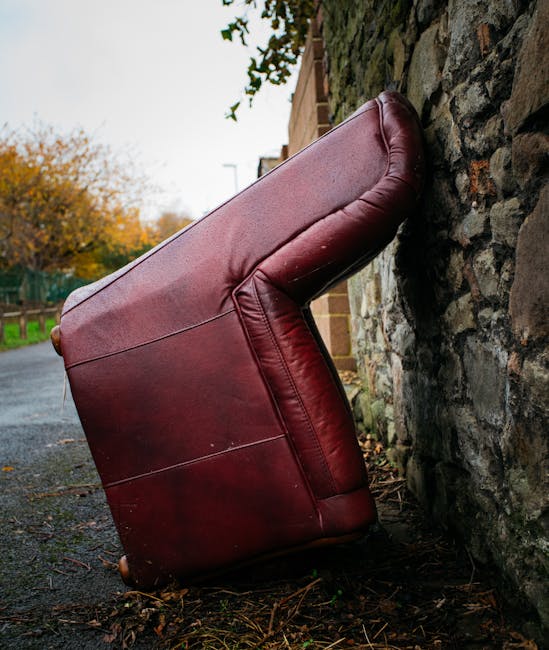
Mitcham Common rubbish removal for bulky items
If you are staring at an old sofa, a broken fridge, a mattress that has seen better days, or a pile of heavy household clutter, Mitcham Common rubbish removal for bulky items can be the simplest way to get your space back without the stress. The tricky part is not usually deciding to clear it out; it is working out how to move it safely, what can be taken, and which disposal route actually makes sense for your property and schedule.
This guide walks through the practical side of bulky item clearance around Mitcham Common, from how the service works to what to avoid, how to compare your options, and what a sensible, compliant removal process looks like in real life. No fluff. Just the things people actually need when the item is too large for a bin and too awkward to leave for another day.
Contents
- Why Mitcham Common rubbish removal for bulky items Matters
- How Mitcham Common rubbish removal for bulky items Works
- Key Benefits and Practical Advantages
- Who This Is For and When It Makes Sense
- Step-by-Step Guidance
- Expert Tips for Better Results
- Common Mistakes to Avoid
- Tools, Resources and Recommendations
- Law, Compliance, Standards, or Best Practice
- Options, Methods, or Comparison Table
- Case Study or Real-World Example
- Practical Checklist
- Conclusion
- Frequently Asked Questions
Why Mitcham Common rubbish removal for bulky items Matters
Bulky waste is different from everyday rubbish. It takes up space, can be awkward to carry, and often needs more than one person to move safely. In a busy local setting like Mitcham Common and the surrounding streets, that matters even more. You do not want heavy furniture left in a hallway for days, and you definitely do not want to wrestle a wardrobe through a narrow front path on your own. That is how backs get tweaked, walls get scuffed, and tempers rise a little.
The bigger issue is that bulky items are often mixed with other waste. A single item may include wood, fabric, metal, foam, wiring, or glass. That makes disposal less straightforward than a simple black bag collection. Responsible rubbish removal for bulky items helps separate what can be reused, recycled, or safely disposed of, rather than sending everything to the same place without thought.
There is also the practical side of tidiness and wellbeing. A spare room full of old furniture can start to feel heavier every week. You hear the thunk of the footstool every time you walk past it. The garage becomes a no-go zone. Suddenly the clutter is not just clutter; it is stopping you from using your home properly. That is exactly where a targeted bulky item service earns its keep.
Expert summary: the best bulky item removal is not just about getting stuff away quickly. It is about safe lifting, sensible sorting, lawful disposal, and leaving you with a clear, usable space at the end. If you want a broader service that covers mixed household waste too, a general waste removal option may also be worth comparing.
How Mitcham Common rubbish removal for bulky items Works
The process is usually simpler than people expect. Most bulky item clearances follow a straightforward pattern: you identify the items, get an estimate, book a time, and have them collected from inside or outside the property. If the items are heavy, awkward, or nested in a loft, garage, or shed, the team usually plans the access carefully before lifting starts.
In many cases, the first step is a quick description of what needs to go. Be specific. "Old furniture" is one thing; "three-seater sofa, double mattress, two broken dining chairs, and a metal shelving unit" is much more useful. The more detail you give, the easier it is to set expectations around labour, loading time, and any extra handling required.
Once booked, the crew normally arrives with the right lifting gear and vehicle space. They will assess the load, move items carefully, and separate anything that needs special treatment, such as electrical appliances or materials that should not be mixed with general waste. Some jobs are fast and tidy; others are a bit more involved. Truth be told, the awkward ones are often the ones hiding behind a neat-looking front door.
If you are clearing a property rather than just one or two items, it may be worth looking at related services such as house clearance, home clearance, or flat clearance depending on the type of space involved.
Key Benefits and Practical Advantages
There are a few clear reasons people choose a bulky item removal service instead of trying to manage everything themselves.
- Less physical strain: heavy items can be genuinely difficult to move, especially down stairs or around tight corners.
- Faster turnaround: what might take you all weekend can often be handled in a single visit.
- Cleaner finish: once the awkward items are out, it is much easier to deep clean, redecorate, or repurpose the room.
- Better sorting: reusable or recyclable materials can be separated more effectively when the service is planned properly.
- Reduced risk of damage: professional handling helps avoid scuffed walls, chipped skirting boards, and broken stair rails.
- Less admin: you avoid the nuisance of hiring transport, making multiple trips, or working out where each item should go.
There is a hidden benefit too: decision fatigue disappears. Once the bulky things are removed, the rest of the job often feels manageable. That old chair, the box of cables, the spare mattress - all of it suddenly looks like a plan rather than a problem.
For households with specific items, dedicated services can be useful. A furniture clearance solution works well for sofas, wardrobes, tables, and other large pieces. If the main issue is a mattress or soft seating, then mattress and sofa disposal may be the more direct route.
Who This Is For and When It Makes Sense
This service suits a lot more people than you might think. It is not just for big renovations or full house clear-outs. In fact, some of the most common jobs are ordinary, everyday problems that have simply grown too annoying to ignore.
It makes sense if you are:
- Replacing old furniture and need the previous items taken away
- Clearing a spare room, loft, garage, or shed
- Moving out and cannot take bulky items with you
- Preparing a rental property for new tenants
- Dealing with an estate or probate clearance
- Removing office furniture or stockroom clutter
- Getting rid of a broken appliance that is too heavy to shift safely
It is also useful for landlords, letting agents, homeowners, tradespeople, and small businesses that do not want bulky waste hanging around. A business with a back office full of old desks, for example, may benefit from a targeted office clearance instead of letting the problem drag on for weeks.
If the bulky items are part of a wider property tidy-up, you may want a fuller service such as garage clearance, loft clearance, or even garden clearance. Different spaces, same basic pain point: too much stuff, not enough time.
Step-by-Step Guidance
If you want the smoothest possible removal, it helps to think about the job in stages. A little prep goes a long way.
- List the items clearly. Write down every bulky item, including dimensions if you know them. Include anything fragile, wet, sharp, or partly dismantled.
- Separate the keep, donate, and remove piles. This stops useful items being mixed in with waste. It also makes the job quicker.
- Check access. Measure doors, stairwells, gates, and shared hallways if the item is awkward. This matters more than people expect.
- Remove loose contents. Empty drawers, shelves, and cabinets before collection. A wardrobe full of random things gets much heavier, and messier, fast.
- Flag any special items. Fridges, freezers, and certain electrical goods may need separate handling. Hazardous materials must be treated differently.
- Book a convenient collection window. If you live on a busier road or need access for parking, timing can help reduce stress.
- Keep the route clear. Move ornaments, bins, bikes, and anything else that might trip someone during lifting.
- Do a final walk-through. Check under beds, behind doors, and in cupboard corners before the team leaves. It is surprisingly easy to miss a stray item.
That final walk-through is a small thing, but it saves hassle. Nobody wants to clear the room, then spot an old printer cable lurking behind a radiator like it owns the place.
Expert Tips for Better Results
Here are the little things that make a bulky item clearance feel calmer and more efficient.
- Photograph the items first. A few clear photos help with estimating effort and vehicle space.
- Group similar items together. Put all furniture in one area, appliances in another, and loose clutter in boxes or bags.
- Don't over-dismantle unless needed. Some items are easier to remove intact. Over-doing it can make things messier than before.
- Think about recycling early. If an item is salvageable, mention that before collection so it can be assessed properly.
- Protect floors and walls. Cardboard, blankets, or old sheets can help if the removal route is tight.
- Book before the clutter becomes a crisis. A small job stays a small job. Leave it six more months and suddenly it is everybody's problem.
One useful habit is to sort by material rather than by room. Wood together, fabric together, metals together, electricals together. It makes the end process much tidier and often more efficient. And yes, it sounds like a faff until you are the one carrying the item downstairs.
Common Mistakes to Avoid
Most problems with bulky item removal are preventable. The most common mistake is underestimating the job. A bed frame looks manageable until you try to get it down a narrow stairwell at an awkward angle. Suddenly it is wedged, everyone is breathing harder, and the wall is taking the strain.
Here are the mistakes worth avoiding:
- Giving vague descriptions. "A bit of furniture" is not enough information.
- Ignoring access issues. Tight hallways, parking limits, and shared entrances can change the whole job.
- Mixing prohibited items with general waste. Some materials need separate handling and should never be casually bundled in.
- Forgetting to empty items. Drawers, cupboards, and appliances should be checked before removal.
- Leaving the booking too late. If you are moving house or ending a tenancy, timing matters.
- Trying to lift alone. One-person lifting of bulky items is where accidents start.
Another subtle mistake is assuming the cheapest option is always the best. It rarely is. What you want is a fair price, clear communication, safe lifting, and proper disposal. Cheap can become expensive if something gets damaged or the collection is not handled correctly.
Tools, Resources and Recommendations
You do not need a van full of equipment to prepare for bulky item removal, but a few basic tools can make the process smoother.
| Item | Why it helps | Best for |
|---|---|---|
| Measuring tape | Checks doorways, stair turns, and item dimensions | Large furniture and appliances |
| Gloves | Protects hands from splinters, dust, and sharp edges | Lofts, garages, and mixed clutter |
| Blankets or sheets | Helps protect floors and furniture during lifting | Homes with narrow access |
| Marker pen and labels | Makes sorting and identifying items easier | Multi-room clearances |
| Trolley or sack barrow | Useful for moving lighter bulky loads safely | Boxes, small appliances, and shelving |
If you are choosing a disposal route, it may also help to review guidance on what can go in a skip. That can be useful when you are comparing skip hire with a collection service. They are not the same thing, and the better choice depends on the shape of the job, the space available, and how much lifting you want to do yourself.
For customers who prefer a more guided service, it can also help to look at clear pricing information first. The pricing and quotes page is a sensible place to understand how the job may be assessed before booking.
Law, Compliance, Standards, or Best Practice
With waste removal, the details matter. In the UK, the basic best practice is simple: waste should be handled by a responsible operator, separated sensibly, and taken to an appropriate facility. You should also be careful with items that may contain hazardous components, such as refrigeration units, certain electricals, paints, solvents, or materials with sharp or contaminated parts.
For householders, the key is to avoid fly-tipping, unsafe storage, and rushed disposal. For landlords and businesses, the bar is a bit higher. You need to think about duty of care, record keeping where relevant, and making sure waste is transferred properly. That is not overkill. It is just good practice, and it protects everyone involved.
Health and safety matters too. Bulky items can cause crush injuries, slips, trips, and strains if they are moved carelessly. A proper operator should treat that seriously, use sensible lifting methods, and plan the route before moving the load. If a property has steep stairs, awkward access, or tight shared areas, the safer choice is often to slow down rather than force the issue.
It is also wise to understand the limits of what can be collected in one visit. Some items need special handling. A fridge, for example, is not just "another big box". It may need dedicated processing, which is why services such as fridge and appliance removal can be the correct route for those jobs.
For items that carry risk or require separation, check whether hazardous waste disposal is the safer and more appropriate service. And if the clearance is being done for a company or workplace, business waste removal may better match the compliance and operational needs of the job.
Options, Methods, or Comparison Table
There are a few common ways to deal with bulky items. Each has its place, but not every option suits every situation.
| Method | Best for | Pros | Trade-offs |
|---|---|---|---|
| Professional bulky item collection | Single items or mixed bulky loads | Convenient, fast, less lifting for you | Usually costs more than DIY |
| Skip hire | Ongoing projects or lots of light-to-medium waste | Good for self-loading over time | You do the lifting; some items may not be suitable |
| Self-haul to a disposal point | Smaller quantities and access to transport | Can be cost-conscious | Time-consuming, physically demanding, multiple trips |
| Sell, donate, or reuse | Items still in good condition | Waste reduction, potential value retained | Not suitable for damaged or unsellable goods |
For many people, the real decision is between convenience and effort. If you have one sofa and two hours free, the answer may be different than if you have a pile of broken furniture and a staircase that looks like it was designed by a prankster.
If you are comparing options, a practical first question is: how much time do you want to spend on this? The second is: can the item safely leave the property without causing damage or injury? Once those are answered, the right method usually becomes obvious.
Case Study or Real-World Example
Imagine a family in the Mitcham Common area clearing out a front room before new flooring is fitted. The room contains a three-seater sofa, a heavy armchair, a broken coffee table, and an old mattress that has been sitting in a corner for months. The family has enough energy for the flooring project, but not enough left to drag bulky items through the hallway, down the front steps, and into a vehicle.
They start by separating keep-and-remove items. Then they measure the doorway, clear a path, and take photos of the furniture. The collection is booked for a time when parking is easiest. On the day, the items are removed in one visit, with extra care taken at the door frame and around the landing. The room is left clear, the flooring team can begin, and the family avoids turning a weekend into a full-on lifting exercise.
That sort of job sounds simple, and in many ways it is. But the difference is in the planning. Without that, the same clearance can become slow, noisy, and a bit stressful. With it, the process is calm, predictable, and done before lunch. Lovely, really.
Practical Checklist
Use this checklist before booking bulky item removal:
- List every item that needs to go
- Note whether any items are broken, sharp, wet, or contaminated
- Check access routes, stairs, and parking space
- Measure the largest items if they may be awkward to move
- Empty drawers, cupboards, and appliance contents
- Separate anything that should be reused or donated
- Ask about handling for appliances and special waste
- Confirm the collection date and time window
- Make sure pets and children are kept clear during lifting
- Do a final sweep of the property before the team leaves
If the clearance is part of a bigger tidy-up, you may also want to review furniture disposal options or broader furniture clearance support, especially if you have several large pieces to remove at once.
Conclusion
Mitcham Common rubbish removal for bulky items is really about making a difficult job feel manageable. Whether you are clearing one awkward sofa or tackling a full room of heavy clutter, the smartest approach is the one that keeps you safe, saves time, and gets the job done properly the first time.
When you plan the clearance carefully, choose the right service for the items involved, and avoid the common mistakes, the whole process becomes much less stressful. You get your room back, your access paths are clear again, and that odd weight that clutter brings just lifts away. Small relief, big difference.
If you are ready to move forward, compare your options, check the details, and choose a service that handles bulky items with care from start to finish. A tidy space has a way of changing the mood of a home, and honestly, that matters more than people admit.
Get a free quote today and see how much you can save.
Frequently Asked Questions
What counts as a bulky item for rubbish removal?
A bulky item is usually anything too large, heavy, or awkward to fit in a standard household bin. That often includes sofas, wardrobes, mattresses, dining tables, bed frames, appliances, and similar items.
Can bulky items be collected from inside my property?
Yes, many services can remove items from inside the property, as long as access is safe and clear. It helps if hallways, stairs, and doorways are measured in advance for very large pieces.
Do I need to dismantle furniture before collection?
Not always. Some pieces can be taken away intact, while others are easier and safer to move if partly dismantled. If you are unsure, keep the item as complete as possible and mention any access issues when booking.
What happens to the bulky items after they are collected?
That depends on the condition of the items and the type of material involved. Reusable items may be separated, recyclable materials may be sorted, and the rest is taken to an appropriate disposal facility.
Are fridges and freezers treated differently?
Usually, yes. Refrigeration units often need special handling because of their components and materials, which is why a dedicated appliance service is often the better choice.
Can I put mattresses and sofas out with general rubbish?
No, they are usually too bulky for standard collection and often need separate handling. A dedicated mattress or sofa service is normally the cleaner and more practical option.
Is bulky item removal suitable for landlords and tenants?
Absolutely. It is often used at the end of tenancies, during move-outs, or when preparing a property for re-letting. It can be a tidy way to clear left-behind furniture or broken items quickly.
How do I prepare for bulky item collection?
The main things are to list the items, clear the route, empty drawers or cabinets, and check for access problems. If you can take a few photos beforehand, even better.
Is bulky item removal better than hiring a skip?
It depends on the job. If you want someone else to do the lifting and you have mostly large items, collection is often easier. If you are dealing with loose waste over several days, a skip may suit you better.
Can hazardous items go with bulky waste?
Not usually. Hazardous materials need separate handling and should not be mixed with normal bulky rubbish. If you are unsure, treat the item cautiously and ask for the right disposal route.
What should I check before accepting a quote?
Check what is included, whether loading is part of the service, how access affects the price, and whether any special items need extra handling. Clear details up front help avoid awkward surprises later.
How quickly can a bulky item clearance be arranged?
It varies depending on availability and the size of the job. Smaller collections are often quicker to schedule, while larger clearances may need more planning. If timing matters, book as early as you can.
For more about the company behind the service, you may also want to visit the about us page, or if you are ready to arrange a collection, use the book online option. For any account, service, or policy questions, the relevant details are covered in the site's existing service pages and policies, including payment and security, recycling and sustainability, and insurance and safety.